Gender equality resources
Gender equality resources
Explore resources and bespoke guidance on how organisations can take a strategic approach to support gender equality in their workplace.
Our eight-step route map to gender equality
BITC’s expert Inclusion Advisers can support your organisation to implement each call to action from our Gender Equality Route Map. In addition to a wide range of workshops and training sessions, we also provide bespoke support to businesses including policy reviews and the design and development of mentoring, sponsorship and allyship programmes.
Featured resources
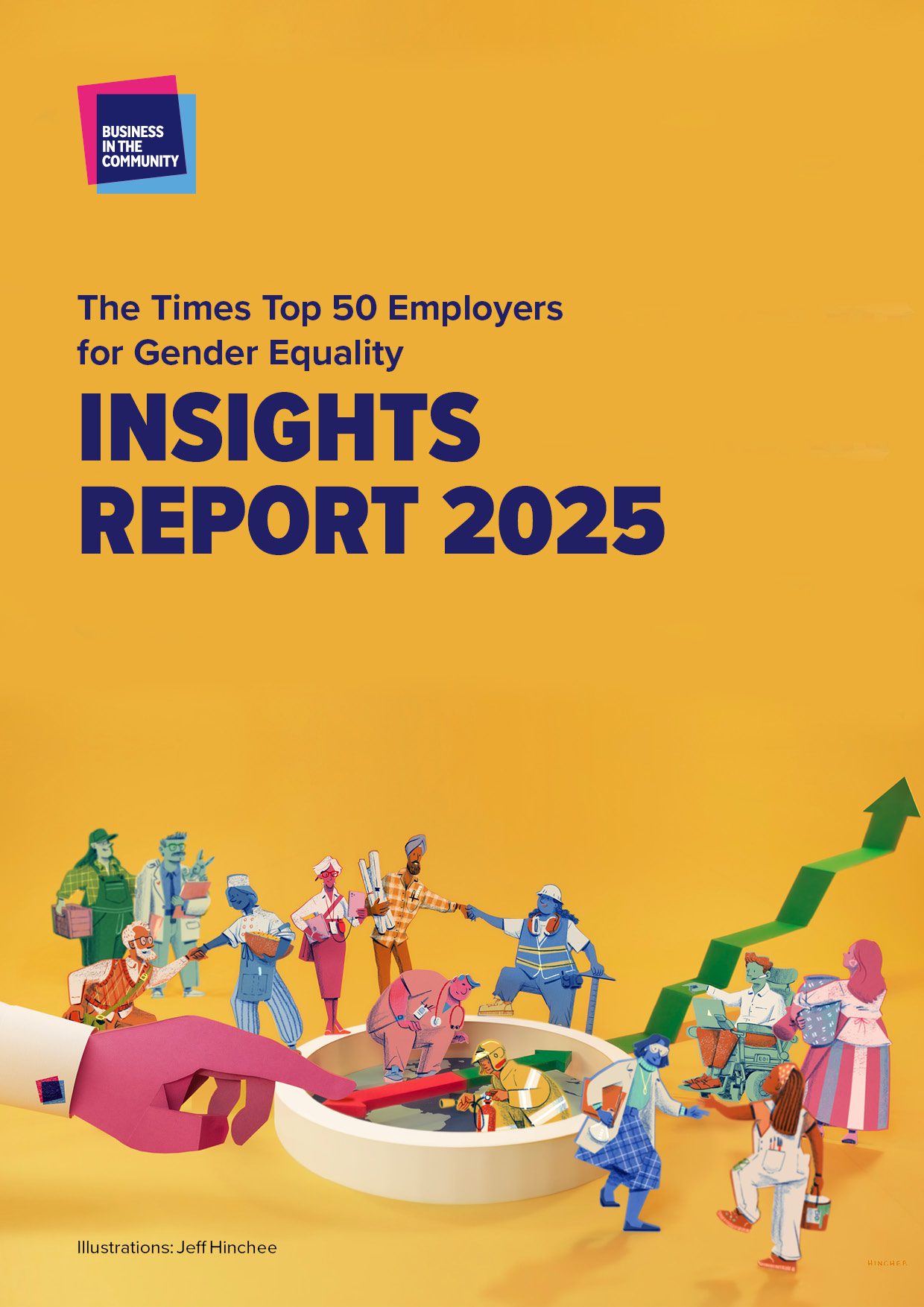
The Times Top 50 Employers for Gender Equality Insights Report 2025
Draws on 10+ years of data, highlighting the importance of executive leadership, mentorship, and inclusive practices in driving race equality in UK workplaces
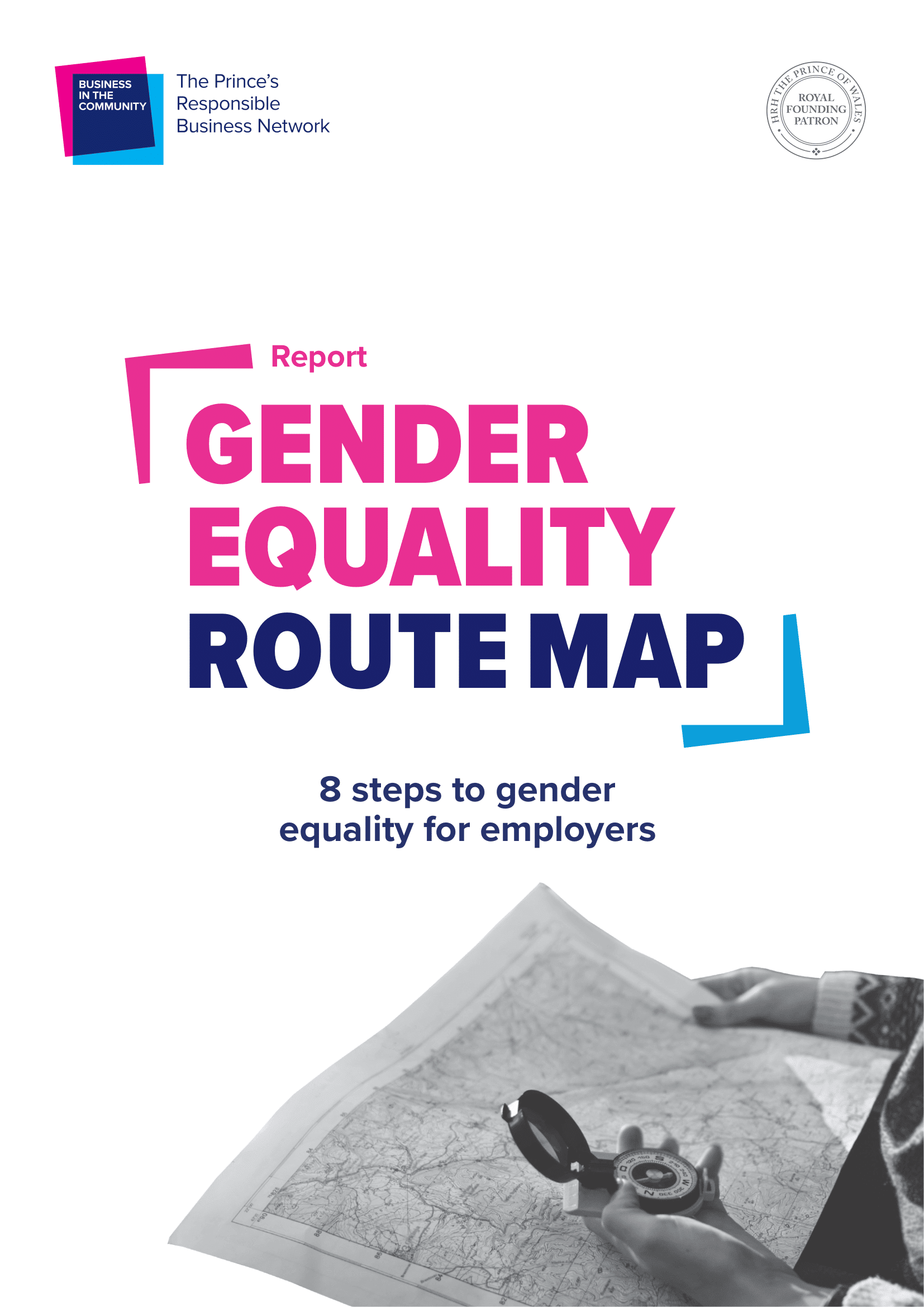
Route Map to a More Gender Equal Future
Route map to gender equality: Explore 8 steps and 10 case studies to protect and accelerate progress in your organisation, building a fairer, more inclusive future at work.
All gender resources
Inclusion strategy
Diversity Objectives and Performance Appraisal
This toolkit offers guidance on implementing diversity objectives through an existing or new appraisal process.
Diversity and Inclusion Strategy and Policy Guidance Advice
This toolkit on diversity and inclusion strategy offers advice to businesses on developing an inclusive organisational plan.
Why Gender Equity is Good for Business
This briefing dives into research to explore how a lack of gender diversity impacts commercial outcomes in the workplace.
Inclusive Succession Planning: A Toolkit for Employers
This toolkit provides employers with actions they can take to increase diversity in their talent pipelines, ensuring inclusive succession planning.
Route Map To A More Gender Equal Future
Protect and accelerate gender equality at work with our eight stage route map and ten supporting case studies.
10 Case Studies: implementing the gender equal future route map
Discover inspiring gender equality case studies that showcase how businesses can promote a more equitable workplace.
The First Step in Creating Data Driven Diversity Strategies
A comprehensive guide to the relatively new collection and analysis of workforce data. Read more and then go to the GLA website to download.
Business in the Community Inclusive Leadership Report
Explore the importance of inclusive leadership in fostering adaptability, innovation, and strong performance in diverse organisations.
Now is the time for allyship: building inclusive workplaces
Matilda Fairgrieve, Inclusion and Wellbeing Campaign Officer, on how inclusive workplaces can drive culture, retention and business success.
Including all Gender Identities at Work
Charlotte Woodworth and Anisha Doshi, Senior Inclusion Advisor, on ensuring gender identity is no barrier in the workplace.
Making Work Work: gender equality at EDF
EDF is working to advance gender representation across the energy sector with actions encouraging a more balanced representation of gender at all levels.
BITC Members: Case Studies for Gender Equality
Read four case studies about BITC members, Aviva, Bain & Company, Centrica and Deloitte, that have successfully implemented gender equality policies.
Equal Parental Leave
Our Who Cares? Research found that an average 95% of UK employees believe that caring responsibilities should be shared equally regardless of gender. Considering this, there is a drastic discrepancy in the wants of the workforce and reality of care, where we discovered 85% of sole carers for children are women. With unequal parental leave driving an estimated 70% of the workforce gender pay gap, addressing this systemic barrier is an imperative for employers committed to tackling gender inequality in their workforce.
BITC has partnered with BITC member Bain & Co to develop a specialised suite of resources to support employers embarking on a journey towards implementing an infrastructure that enables and empowers all parents, regardless of gender, to take time out to care for their children. Explore this Equal Parental Leave toolkit and other resources for equal parental leave below.
Equal Parental Leave Toolkit
The toolkit supports conversations on why equal parental leave is important, highlights its costs and benefits and describes how best to implement a successful equal parental leave policy.
Equal Parental Leave Calculator
This calculator will provide you with the relevant data to build a business case for implementing the policy, as well as inform executive decision-making on the issue.
The best gift for Father’s Day is Equal Parental Leave
Charlotte Woodworth, Gender Equality Director, Business in the Community (BITC), on why dads need workplace equality.
Enhanced Paternity Leave Policy at Hodge
Hodge bank has introduced a new paternity leave policy offering fathers, or partners of those expecting a baby, 20 weeks of paid parental leave.
Equal Parental Leave: Aviva and de-gendering care
Anthony Fitzpatrick, Head of Colleague Experience and Employment Policy, Aviva, explains Aviva introduced Equal Parental Leave.
Bain & Company: Equalising Parental Leave
This case study outlines how global consultancy firm, Bain & Company introduced a new policy offering equal parental leave for all employees in the UK.
Supporting caregivers
Supporting Carers in the Workplace
This Business in the Community toolkit provides practical knowledge and advice to support carers in the workplace.
Who Cares?
BITC’s Who Cares? report shares actions for employers and policymakers to transform the way we think about combining paid work and care.
Equal Lives: parenthood and caring in the workplace
Explore equal lives in parenthood and caring within the workplace.
How to Recognise and Support Carers in the Community
Business in the Community’s recommendations for employers on combining paid work and care.
Life cycle inclusion
Menopause in the Workplace
Find out more about the impact the menopause has the lives of women and what employers can do to help support those going through menopause in their organisation.
Menopause at Work: best practice case studies
This case study booklet provides best practice to help you take action and provide effective support for those transitioning through menopause at work.
Creating a menopause-inclusive culture in the workplace
Angela Watson discusses how important it is for business to recognise menopause and provide a menopause-inclusive culture in the workplace.
Supporting employee wellbeing
Domestic Abuse: a toolkit for employers
Employers have a duty of care and a legal responsibility to provide a safe work environment. This toolkit will help your organisation to support your employees and tackle domestic abuse.
Workplace Sexual Harassment
This sexual harassment toolkit uses leading academic research and findings from Project 28-40 to help your organisation understand and address sexual harassment in the workplace.
Employee Network Guide
Network groups can enhance the understanding of equality issues among employees, share information and enable staff to support each other. This toolkit offers guidance for setting up employee networks.
Gender and Mental Health at Work
This factsheet explores differences in male and female employees’ workplace mental health experiences, offering insights to support wellbeing, equity, and inclusion.
Supporting ethnically diverse employees
Mental Health and Wellbeing for Ethnically Diverse Women – a practical guide for managers
Practical tips for managers to support support the mental health and wellbeing of ethnically diverse women in the workplace, designed in partnership with industry experts.
Self-Care and Wellbeing for Ethnically Diverse Women – a practical guide for employees
Self-care strategies to support the wellbeing of ethnically diverse women, helping them recognise, and develop coping mechanisms for mental health challenges at work.
Gendered impacts of technological advancement
Gendered Impacts of Artificial Intelligence (AI)
This factsheet sets out the importance of questioning whether equity and inclusion has been thought about when navigating new technologies, in particular Artificial Intelligence (AI).
A Brave New World: why business must ensure an inclusive digital revolution
Learn how businesses can embrace the inclusive digital revolution while addressing job losses and privacy concerns effectively.
Equal pay
At Business in the Community (BITC) we encourage all employers to talk openly about the gender pay gap, the average gap between men and women’s earnings in the UK. With this information legally required for organisations of 250 employees or more, and made available publicly, disclosing your organisation’s Gender Pay Gap, the key drivers behind it and key steps you are taking to close it, is vital to educate and inform your workforce and maintain employee trust.
We have created the Gender Pay Gap Reporting Dashboard to help encourage this transparency. The dashboard includes live information about the overall national gender pay gap for this year. You can also explore individual employer’s gender pay gap data as well as trends via sector
Gender Pay Toolkits
These five toolkits takes you on a journey of understanding from evaluating your pay gap to how equalising the earnings of men and women can reduce attrition.
Are Employers Really Progressing Their Pay Policies?
Emelia Williams, Social Impact Officer, Business in the Community (BITC), investigates how much progress is being made in addressing fair pay and transparency.